June 25, 2026

What a Full-Service Event Partner Actually Does

When you're planning a corporate event or incentive trip from another country, it's easy to assume one point of contact is handling everything. The truth is, most events involve several specialists working independently, each with their own goals and their own version of "done." A full-service partner changes that. Instead of juggling a coordinator, a designer, a producer, and a handful of vendors yourself, one team owns the whole picture from first concept to final check-out, wearing whatever hat the day requires: designer, producer, translator, problem-solver, the works! Here's what that looks like, starting with what a full-service partner isn't, before we get into everything it actually covers.

1. Resort Coordinators Are Built for the Hotel

A resort coordinator is a genuinely important part of your event, and a good one makes the logistics side run smoothly: room blocks, banquet orders, F&B minimums, vendor access. None of that should be taken for granted. But it's worth understanding what they're actually optimizing for, which is getting your group in and out cleanly from the hotel's perspective. Their success is measured by occupancy and operations, not by whether your awards dinner felt unforgettable. If your event experience falls flat, that's not really their problem to carry, it barely touches their world. For a full-service partner, it's the opposite. The flow, the feel, the moment a room comes together, that's the entire job, because that's what determines whether a client comes back. That gap in incentives is exactly why the two roles can't be the same person, and it's where everything below actually lives.

2. Designers Shape How the Room Feels
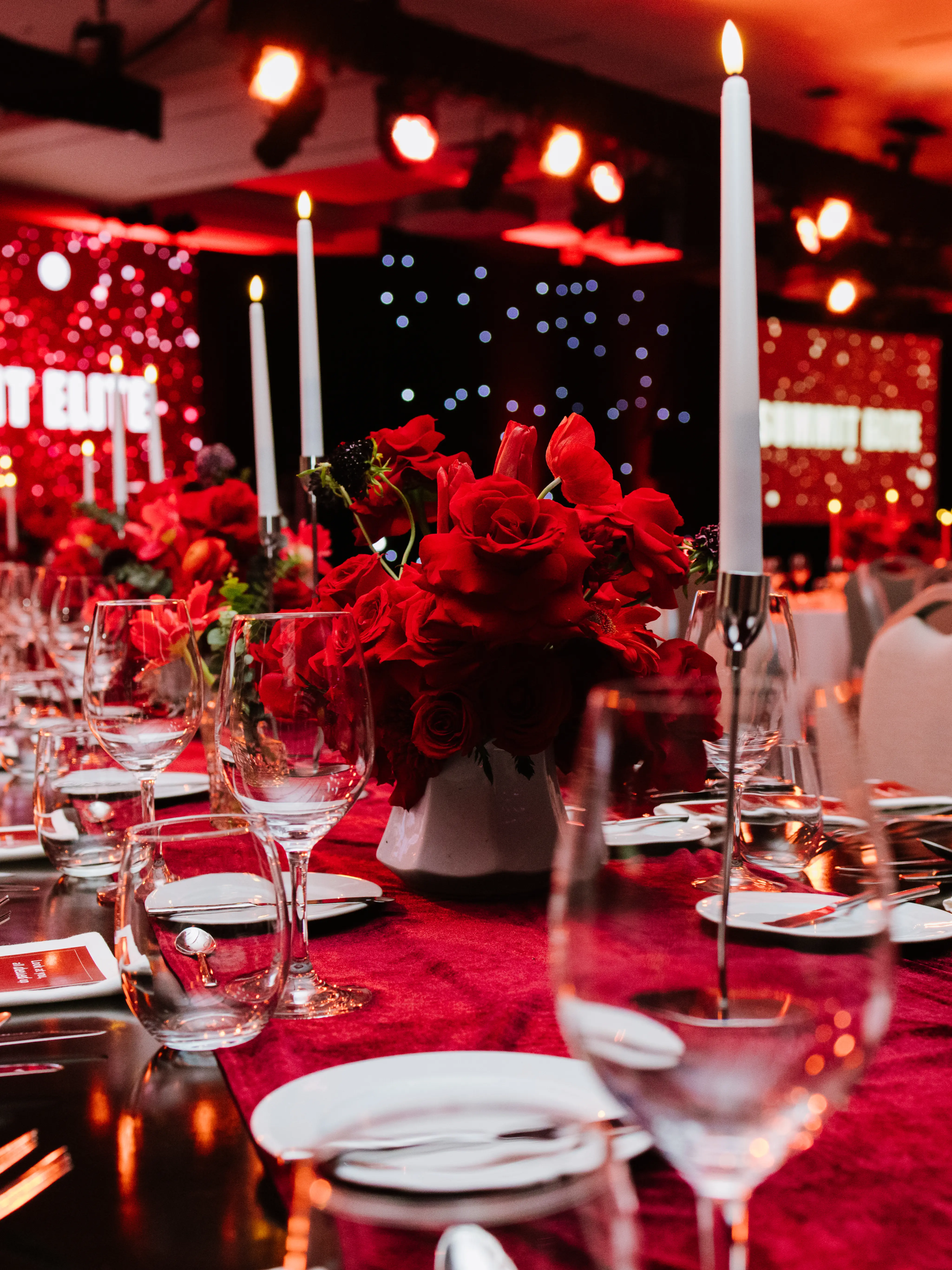
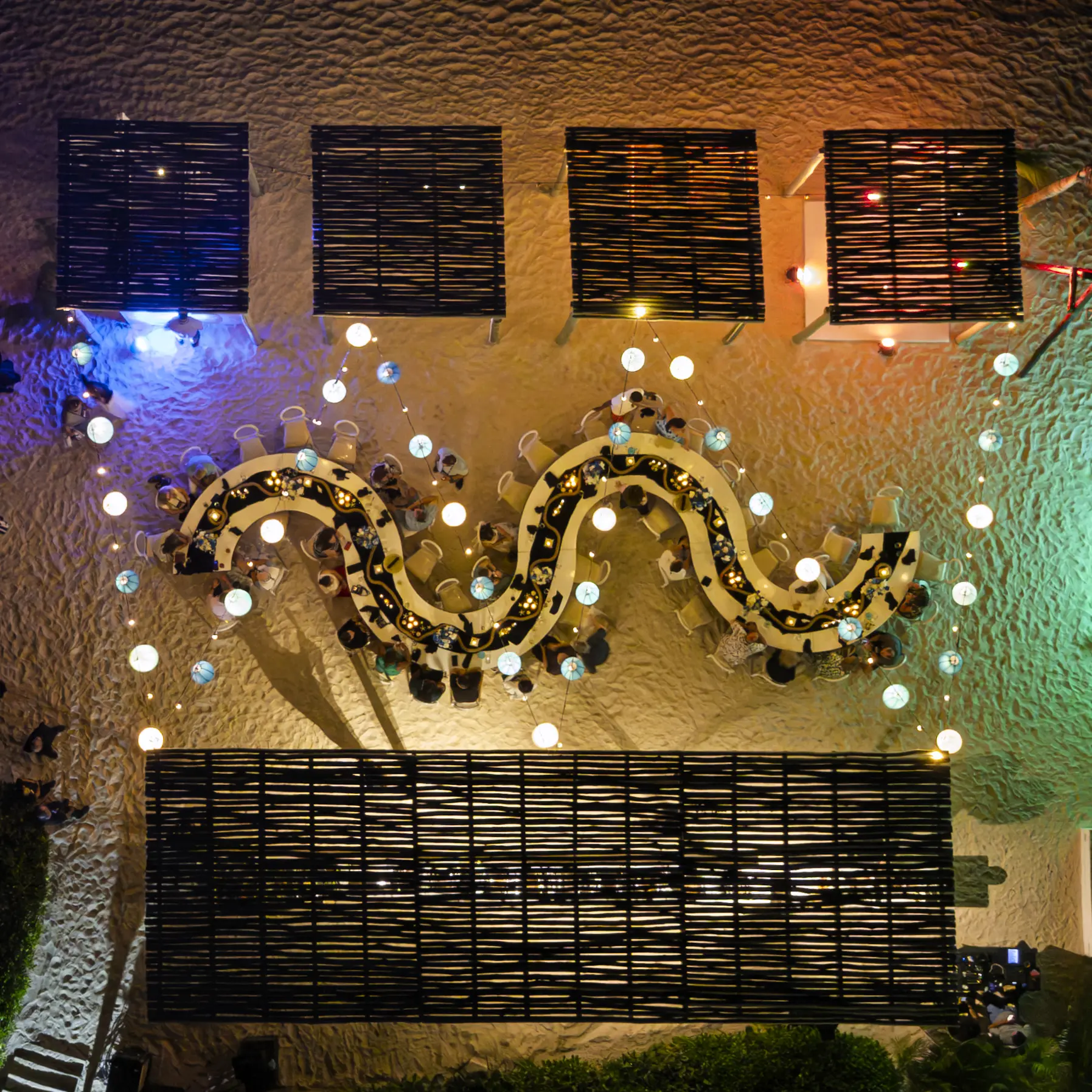
Design is often the easiest thing to underestimate, because a basic layout with house linens and standard centerpieces will technically work. But "working" and "memorable" are different outcomes. A designer thinks about more than aesthetics: where guests enter, how they move toward the bar versus the dinner tables, whether a single buffet line will bottleneck two hundred people or whether you need four spread across the room. Small decisions, like staggering when a second bar opens, change how an entire evening will flow.
The best design work is often invisible. Guests don't clock why a room feels effortless, they just feel it. That's the difference between an event that only photographs well and one that also actually runs well for the people inside it.

3. Producers Turn Vision Into Reality
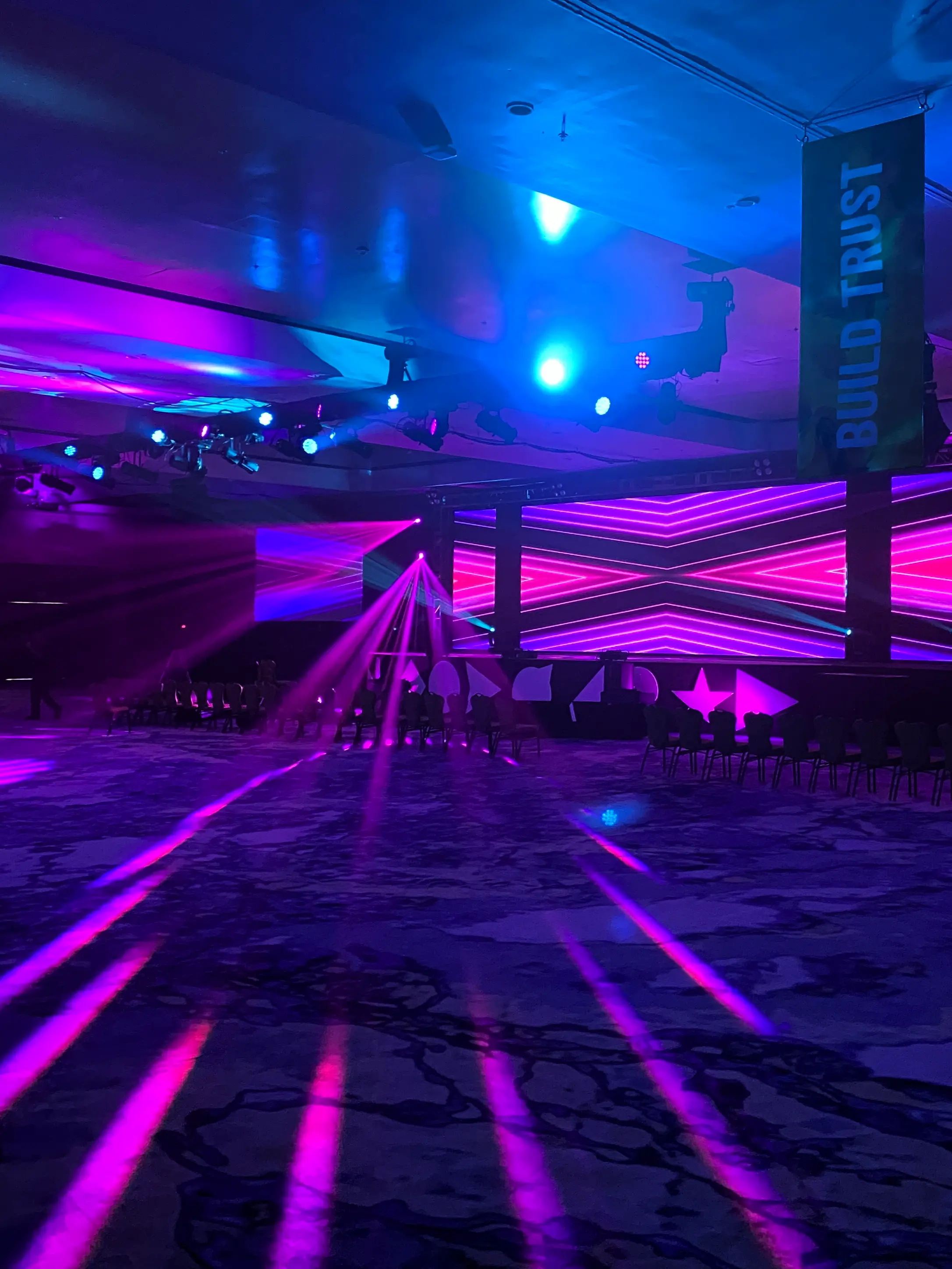
If design is the blueprint, production is the construction crew. Producers and AV teams handle staging, lighting, sound, load-in, and strike, the physical, technical work that has to happen on a tight clock and usually overnight or in the scorching sun. This is where ambitious ideas either come together or fall apart, depending on how well they’re planned. A truss placed without a layout in mind, for example, can quietly reroute an entire event’s flow before a single chair is set.
Good production isn't just about having the right equipment; it's about knowing exactly where every piece goes before the trucks even arrive, so the design and the build are working from the same plan.

4. Someone Has to Speak Everyone's Language
Every vendor, from florists to entertainment to rental companies, comes with their own process, their own pace, and often their own language, literally and otherwise.
Briefs get lost in translation. A request that's perfectly clear in one conversation can come out completely different by the time it reaches the person actually installing it. This is one of the most underestimated parts of full-service work: someone needs to be fluent enough, in language and in the local way of doing business, to make sure intent doesn't get diluted between you and the people executing it.
It sounds small until a miscommunication shows up on event day as a missing element or the wrong placement entirely.

5. One Point of Contact, Not Six

Picture a single event day with décor, AV, rentals, florals, and entertainment all installing in the same space, on the same tight overnight window. Now picture six different vendors, each reporting to you separately, each needing answers only you can give, while you're also trying to greet your own guests.
A full-service partner becomes the one person standing between you and that chaos. It doesn't mean problems disappear.
Things still go sideways, mics cut out, schedules shift, entertainment runs late. But you only have one conversation to have about it, not six, and someone whose entire job that day is managing the pieces so you don't have to.

6. Every Piece Designed to Work Together

When one team owns décor, styling, AV, and production together, every decision gets made with the full picture in mind. A designer who knows exactly where the stage and speakers will sit can build the rest of the room around them, rather than working around someone else's choices after the fact.
Compare that to a typical setup where production goes in first and leaves whatever space happens to be left over, sometimes 20 feet off from where it was expected, forcing last-minute changes to a layout that was never built to absorb them.
Cohesion isn't just a nice idea, it's what happens when every element is planned around the same blueprint instead of stitched together at the last minute.

7. Renders Keep Everyone on the Same Page

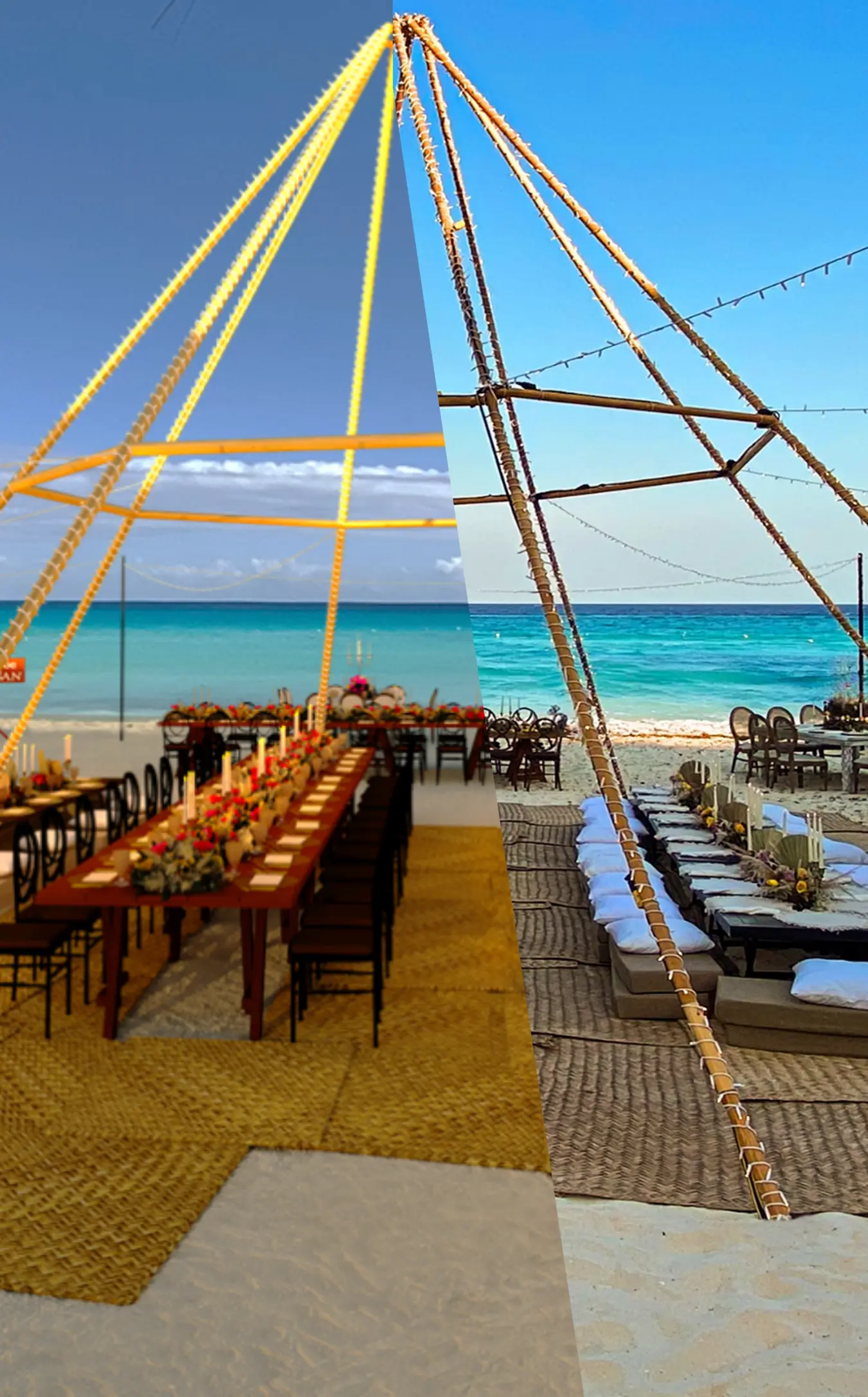
A detailed 3D render does more than help you visualize your event: it becomes the shared reference point for every team working on it. When design and production are part of the same process, those renders reflect real measurements and real equipment, not guesses. AV partners can speak directly with the design team about what's realistic before anything is built, instead of everyone showing up with a different mental picture of the same room.
The result is fewer surprises and fewer on-site scrambles. Even when a space is tight and compromises are necessary, having one detailed layout that every vendor is building toward saves time, money, and a lot of unnecessary stress on event day.

8. Why This Matters More From a Distance

Planning an event in a country you don't live in can definitely raise the stakes. You can't easily check in on a vendor, sit in on a walkthrough, or catch a miscommunication before it becomes a problem. Distance makes every gap in communication bigger and every assumption riskier.
A full-service partner who is genuinely local, not just nearby, but familiar with the venues, the vendors, and how business actually gets done in the region, closes that gap. It's the difference between hoping everything lines up the way you pictured it and having someone on the ground whose entire job is making sure it does, well before you ever step off the plane.

Find a Partner You Can Trust

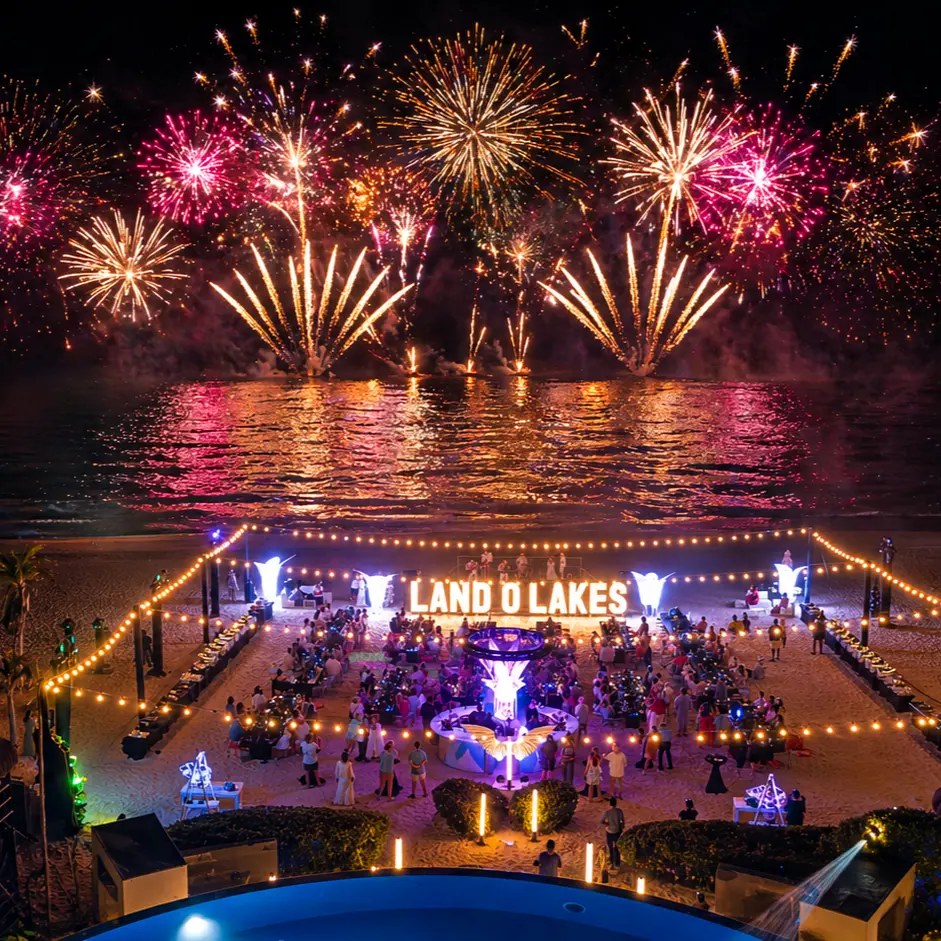
A successful event isn't the result of finding the "best" individual vendors. It's the result of having one team responsible for turning dozens of moving parts into one cohesive experience. That's what a full-service event partner provides: a single source of accountability from first concept through final load-out.
At Eventiko, that's exactly how we work, bringing design, production, and logistics together under one roof so our clients have one trusted partner from the first planning call to the final guest departure.
Wondering whether your next event needs a full-service partner, or just a second opinion on your current plan?
Contact us today, and let's talk through what your event actually needs, no obligation, just an honest conversation.

What's happening

Our latest news and trending topics

Beyond the Postcard: The Art of Event Planning in the Mexican Caribbean

December 22, 2025

What destination guides won't tell you about the Mexican Caribbean: the local relationships, customs, and business practices that make or break your event.

How to Maximize ROI from Your Incentives Trip

September 22, 2025

Eight strategies for designing an incentive trip that actually moves the needle: deeper engagement, better retention, and a team that comes back energized.

Before and After: How Our Renders Become Reality

August 13, 2025

How we use 3D rendering to let clients preview events before they're built: a walk through Eventiko's render-to-reality process, from concept to show day.